


1. Weeds
Weeds like dandelions, clover, and buttercups can invade lawns, competing with grass for nutrients, water, and sunlight. They often create uneven patches and reduce the overall aesthetic of your lawn. Treatments such as selective herbicides target broadleaf weeds without harming grass, while regular mowing and overseeding can help the grass grow thick enough to naturally outcompete weeds over time.
2. Moss
Moss thrives in damp, shaded, or compacted soil, where grass struggles to grow. It creates a soft, spongy layer that can be slippery when wet and often signals poor lawn health. Treatments include moss killers and improving lawn conditions by scarifying to remove moss and aerating to relieve compaction, combined with proper fertilization to encourage grass growth.
3. Bare Patches
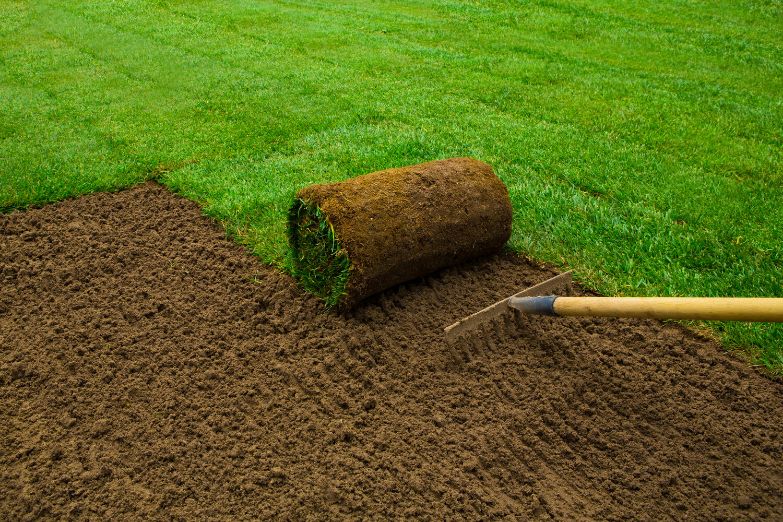
Bare patches occur when grass dies off due to disease, pests, or heavy foot traffic. These areas are unsightly and can worsen if left untreated, inviting weeds or moss. The solution is often to rake the area, apply a nutrient-rich topsoil or compost, and reseed. Consistent watering and protecting new seedlings from heavy use will help the grass establish evenly.